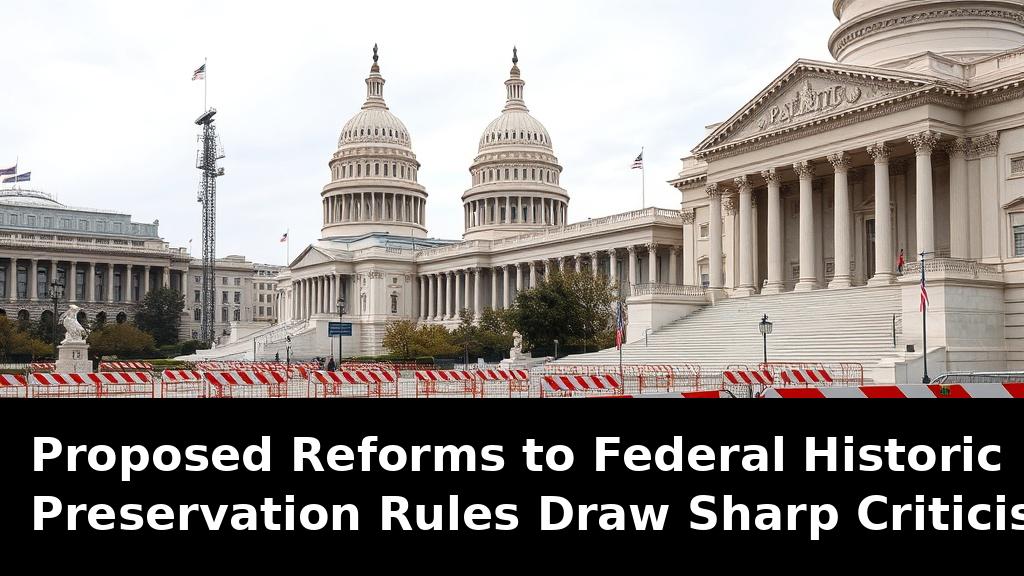
Critics have raised alarms over a set of proposed adjustments to federal historic preservation regulations advanced by a panel with ties to the current administration. The changes are framed by supporters as essential updates to streamline processes that have long been viewed as cumbersome. Opponents, however, contend that the revisions would weaken safeguards for culturally significant locations across Washington and accelerate alterations aligned with presidential priorities.
The federal rules in question govern how historic properties are identified, protected, and potentially modified. Under the existing framework, agencies must conduct reviews before undertaking projects that could affect these sites. The panel’s recommendations seek to shorten review timelines and adjust criteria used to determine eligibility for protection. Proponents argue this would reduce delays for infrastructure and redevelopment initiatives that have stalled for years.
Opponents maintain that expedited procedures risk overlooking the architectural and historical value embedded in numerous federal buildings and monuments. They point to the symbolic weight of Washington’s planned urban landscape, where structures from the 19th and early 20th centuries form the core of national identity. Any weakening of review standards, they assert, could open the door to rapid redesigns that prioritize contemporary aesthetics over continuity.
One area of concern involves the cumulative effect on multiple sites rather than isolated cases. While individual projects might appear minor, coordinated changes across several locations could alter the overall character of key districts. Analysts note that preservation decisions made in the coming months may set precedents affecting future administrations as well.
Background on the regulatory process shows that these rules emerged from legislation passed decades ago to balance development needs with cultural stewardship. Periodic revisions have occurred, yet the current proposal represents a more substantial shift in emphasis toward efficiency. Data from previous streamlining efforts indicate mixed outcomes: some projects advanced faster, while others encountered legal challenges that ultimately extended timelines beyond original estimates.
The debate also touches on the role of advisory bodies in shaping policy. Panels composed of appointed experts and officials influence which properties receive heightened scrutiny. Shifts in panel composition can therefore redirect priorities without requiring new legislation. Observers highlight that transparency in how recommendations are developed remains essential for maintaining public trust in preservation outcomes.
Looking ahead, implementation will depend on agency rulemaking and potential congressional oversight. Stakeholders on both sides are preparing comments and alternative proposals. The final shape of the regulations will determine whether historic assets in the capital receive continued protection or face accelerated transformation.